Previous study · U.S. Army ERDC

Hydrology used for Mobility Analysis

  • Military mobility

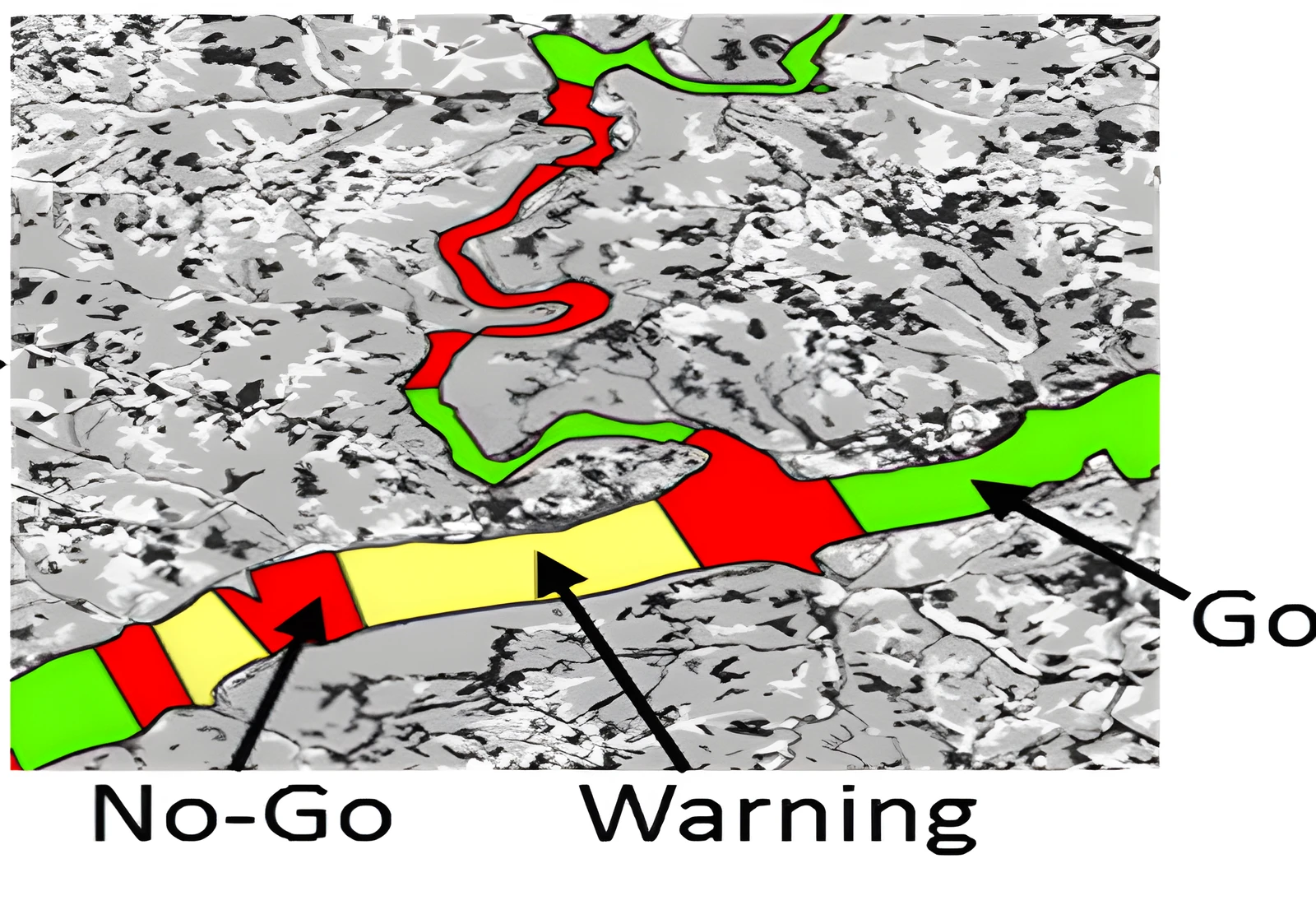
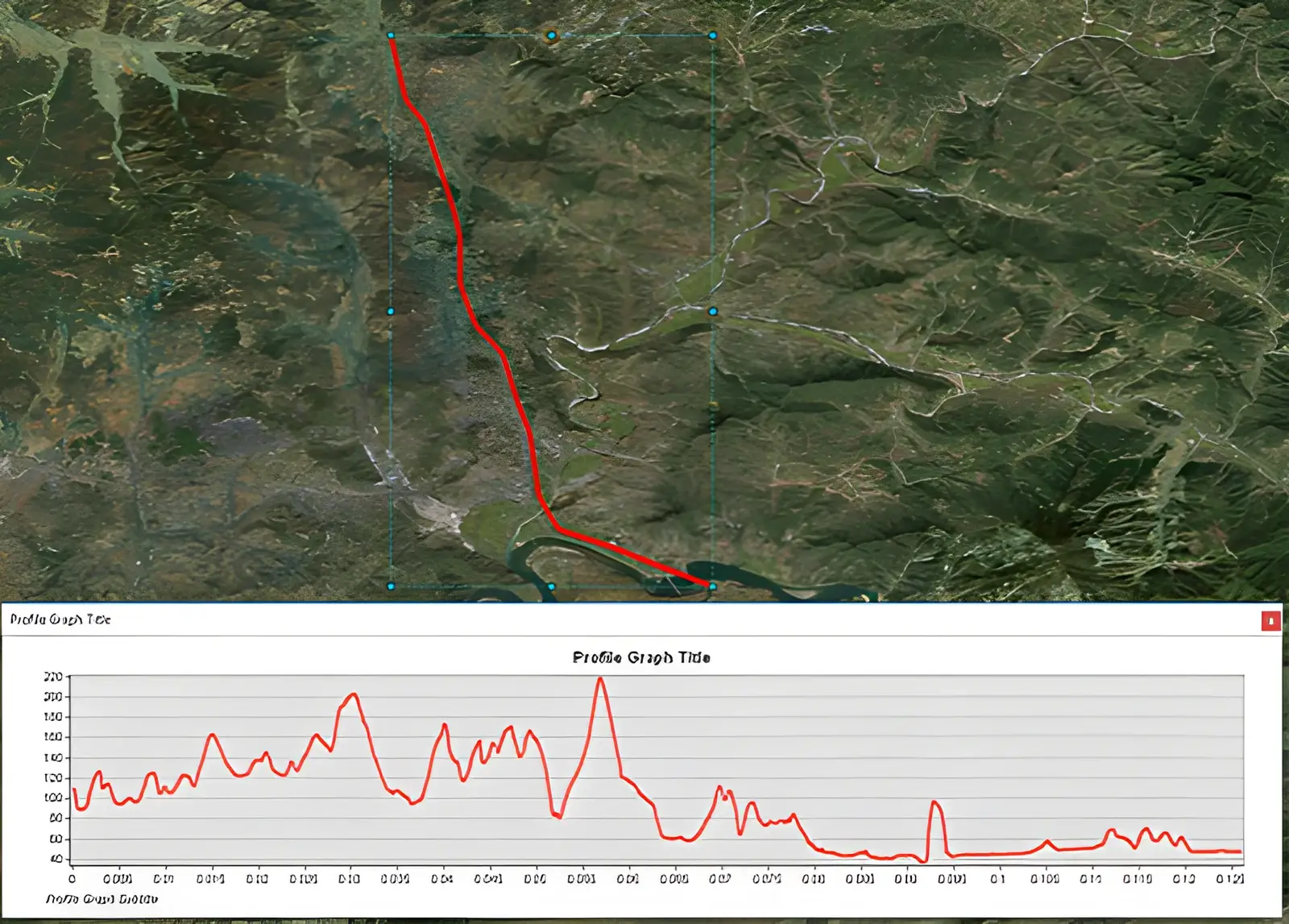
Gap-crossing is one of the largest concerns for military transportation. FHS is a leader in connecting operational hydrology data to be used within mobility analysis. This can create “Go” / “No-Go” maps for multiple vehicle types. FHS is focused on the hydrology, hydraulics, and data management; while the ERDC Geotechnical and Structures Laboratory is focused on the Military Mobility models.

Figures from ERDC Geotechnical and Structures Laboratory

Publication

McKinley, G., M. Follum, M. Jourdan, G. Mason, C. LaHatte, and J. Ellis (2012). “A Route Corridor Flood Vulnerability System”. Geotechnical and Structures Laboratory Technical Report TR-12-29. U.S. Army Engineer Research and Development Center. Vicksburg, MS.

Why it matters: commanders get “Go” / “No-Go” maps that show where each vehicle type can cross.

Project facts

  • ClientU.S. Army ERDC
  • ServicesMilitary mobility
  • StatusPrevious study

More projects

Related work.

U.S. Military

Gap-crossing is one of the largest concerns for military transportation. FHS has developed tools to analyze route corridors for potential wet-gaps. When these wet-gaps…

  • Military mobility
  • GIS & terrain

U.S. Army ERDC

Follum Hydrologic Solutions (FHS) is developing the Gap Analysis Tool (GAT), a modern, Python-based, GIS-integrated application that automates the identification and…

  • Military mobility
  • GIS & terrain

Wyoming State Engineer's Office

Follum Hydrologic Solutions (FHS) in collaboration with Precision Water Resources Engineering (PWRE) completed a comprehensive transit loss evaluation for the Green…

  • Water management

Contact

Have a project like one of these?

Email email us or call 307.337.7260. Prefer a form? It takes a minute.

Scroll to Top